
Why Vitamin D Is Essential for Your Bone Health and Immunity 

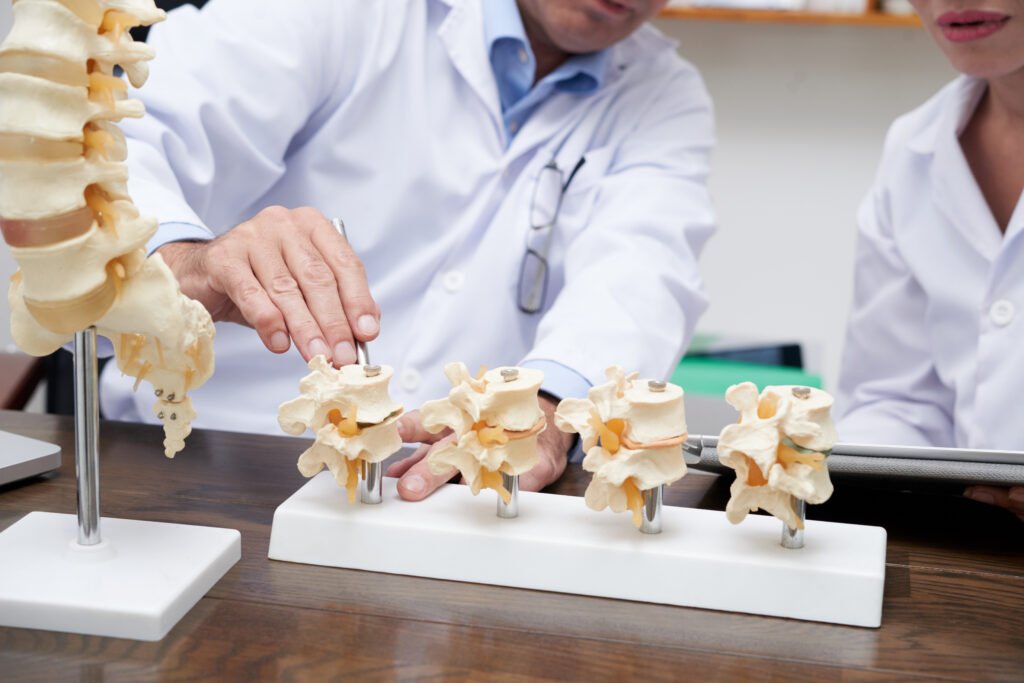
Doctor showing various spinal sections showing intervertebral disc space disease

Vitamin D is essential for overall well-being, especially for maintaining strong bones and a healthy body. It helps absorb calcium, supports muscle strength, and boosts immunity. With limited sunlight exposure, keeping your Vitamin D levels balanced is important for long-term health. 

  1. Strengthens Bones 
    Vitamin D improves calcium absorption, helping build strong bones. Low levels can lead to weak, fragile bones and higher fracture risk. 
  1. Supports Muscle Strength 
    It helps maintain muscle function and balance. Deficiency may cause weakness, fatigue, and reduced mobility. 
  1. Prevents Bone Disorders 
    Vitamin D for bone health lowers the risk of osteoporosis and rickets. Low levels can lead to long-term bone problems. 
  1. Boosts Immunity 
    Vitamin D supports the immune system and helps fight infections. Low levels may increase illness risk. 
  1. Improves Bone Density 
    Healthy Vitamin D levels support strong bone density over time. Low Vitamin D effects include thinner, weaker bones. 

FAQs

What are the symptoms of Vitamin D deficiency?

Common symptoms of Vitamin D deficiency include persistent fatigue, bone pain or tenderness, muscle weakness, frequent infections, hair loss, and low mood or depression. In children, severe deficiency can cause rickets — soft, weakened bones. Many people have no obvious symptoms at all, which is why a blood test (25-OH Vitamin D test) is the only reliable way to confirm deficiency. If you experience several of these symptoms, consult your doctor.
Timing matters less than what you eat with it. Vitamin D is fat-soluble, meaning it absorbs far better when taken with a meal that contains healthy fats — like eggs, avocado, full-fat dairy, or nuts. Most people find it easiest to take with breakfast or lunch. Some research suggests taking Vitamin D in the morning may support better sleep quality by not interfering with melatonin production at night, though evidence is still limited. The key rule: pick a consistent mealtime and stick to it — consistency matters more than the clock.
Doctors often recommend sachets over tablets for patients who struggle to swallow pills — including children, elderly patients, and those with certain neurological conditions. Compared to injections, sachets offer a non-invasive, painless option that patients can self-administer at home without a clinic visit. Sachets also allow for flexible dosing: a single sachet can be split into a glass of water and consumed gradually, which may reduce the rare risk of nausea. Unlike oil-based softgels, powder sachets are also easier to store and have a longer shelf life without refrigeration.
Vitamin D sachets may be helpful for: People with Vitamin D deficiency, Older adults, Individuals who spend little time in sunlight, People with weak bones or muscle pain, Those with low calcium levels. A blood test can help determine whether supplementation is needed.

Leave a Reply